
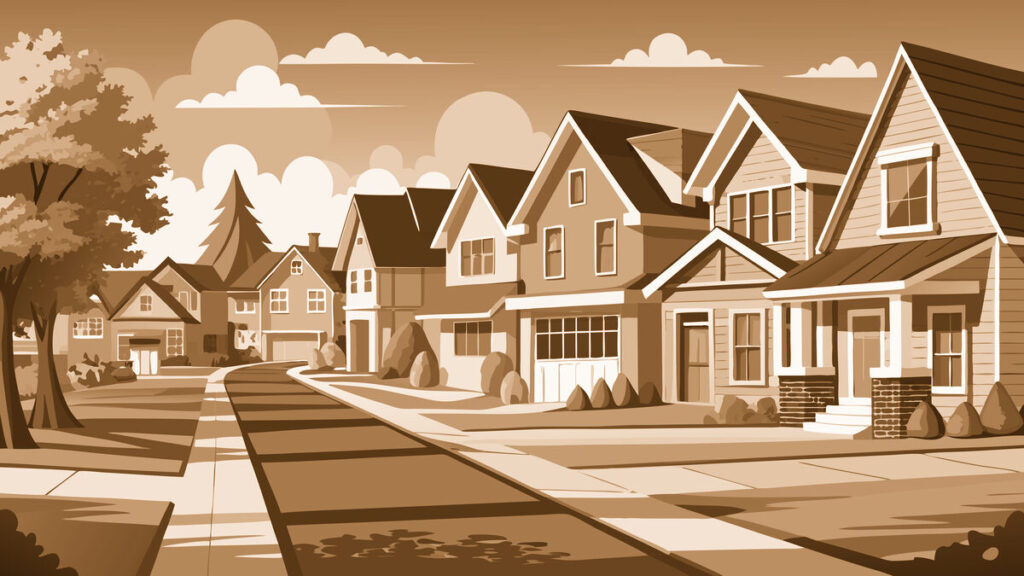
Nestled within the gentle embrace of southern pines and winding marshlands, Heartwood is more than just a neighborhood in Richmond Hill, GA—it’s a living testament to small-town warmth and enduring heritage. For generations, this vibrant community has welcomed newcomers and nurtured lifelong residents alike. Let’s journey through the roots, landmarks, and treasured stories that shape Heartwood’s unique identity.
The Origins of Heartwood
Heartwood stands in a part of Bryan County where history runs deep. Before the neighborhood took shape, these lands were frequented by early settlers and Native American tribes who relied on the Ogeechee River for transport and sustenance. It wasn’t until the mid-20th century, as Richmond Hill began its transformation from sleepy outpost to thriving residential community, that Heartwood’s story truly began.
Locals recall tales of the land, once dotted with oaks, cottonwoods, and, of course, the characteristic southern heart pine—a connection so strong that it inspired the neighborhood’s name. The term “Heartwood” refers to the dense, inner core of a pine tree, prized for its strength and beautiful grain. Early developers and residents were drawn to this powerful imagery, envisioning a community that would grow strong from the inside out, with deep roots and a warm, welcoming heart.
How Heartwood Got Its Name
Naming the neighborhood was a community affair—one filled with spirited discussions among founding families. The heart pine was a symbol not just of the timber and agricultural past but of the character the founders hoped would define the neighborhood: steadfastness, hospitality, and southern grace. The name “Heartwood” also paid homage to the area’s lush groves, which still today frame heartwarming sunsets over Willow Glen Drive and Heart Pine Avenue.
Key Historical Milestones
Heartwood’s progress reflects the broader changes in Richmond Hill. Here are a few pivotal moments in the neighborhood’s growth:
- 1960s: The land transitions from sparsely populated farmland to the vision of its first residential enclave. Historic plats from that era reveal early street names like Willow Glen and Moss Creek Lane.
- 1978: The opening of Heartwood Park, providing the first shared green space where families gathered for picnics and summer barbecues—a tradition still alive today.
- 1985: Heartwood Community Center is established, hosting everything from holiday potlucks to high school graduation parties and informal town halls.
- Early 2000s: Modernization sweeps through, with respectful upgrades to original homes and sensitive architectural development keeping the neighborhood’s character intact.
- 2020s: Renewal efforts bring new life to Heartwood’s original walking trails, including revitalized entrances on Cypress Trail and Oakleaf Drive.
Notable Landmarks and Buildings
Heartwood may not boast grand historic mansions, but its landmarks are deeply cherished:
- Heartwood Park: This central park, featuring playgrounds and heritage oaks, is where you’ll find the annual Harvest Festival every October. The park’s century-old live oak—known affectionately as the “Heart Tree”—serves as a favorite backdrop for family photos.
- The Old Gatehouse: Tucked at the neighborhood’s eastern edge on Heart Pine Avenue, this brick structure once served as the original neighborhood gathering point and retains markers from the 1970s.
- Heartwood Community Center: The beating heart of social life, this modest building on Willow Glen Drive has hosted potlucks, yoga classes, and civic meetings for decades.
- Little Creek Library Outpost: While not as grand as Richmond Hill’s city library, this cozy neighborhood outpost on Oakleaf Drive started as a book exchange in the early 1990s and evolved into a true mini-library beloved by all ages.
A stroll along Cypress Trail leads to hidden gardens lovingly tended by longtime residents, each plotting a small piece of Heartwood’s ongoing story.
Evolution Through the Decades
Over the years, Heartwood has gracefully balanced preservation and progress.
- 1970s-1980s: The focus was on building a tight-knit, family-forward space. Homes, though modest, were designed to last—a nod to the “heartwood” ideal.
- 1990s: As Richmond Hill’s population grew, new families from across the region and military transplants from nearby Fort Stewart put down roots in Heartwood. The neighborhood’s diversity flourished, with block parties reflecting an ever-widening range of holiday traditions.
- 2000s: While upscale development changed other corners of Bryan County, Heartwood retained its village-like charm. Modern amenities were thoughtfully added: the community center received upgrades, walking paths were extended, and landscaping initiatives preserved native flora.
- 2010s-2020s: The rise of community gardening and an emphasis on sustainability led to new shared projects, like the Heartwood Pollinator Pathway, where residents cultivate native wildflowers and support local bees and butterflies.
All along, Heartwood has remained true to its founding ethos. Neighbors still gather for “Porch Night” on the second Friday of every month, and newcomers are greeted with basketfuls of homemade peach preserves—a nod to the area’s agricultural roots.
A Legacy Carved in Wood and Welcome
Ask any Heartwood resident what makes this place special, and you’ll hear about the people, the trees, and the stories that grow with every season. Heartwood isn’t simply a collection of streets and houses; it’s a living heritage, softened by Spanish moss and strengthened by deep community ties.
Whether you’re admiring the view from Heartwood Park, catching up with friends at the community center, or tracing the history of Cypress Trail, you’ll find the neighborhood’s true wealth isn’t just in its past—but in the spirit carried forward by every generation.
For those who call Heartwood home, its legacy is as enduring and beautiful as the heart pine trees that inspired its name. And for everyone who visits, there’s always a reminder: the real heart of Heartwood is its people.